
Morocco is one of those destinations that feels rich before you even arrive.
Marrakech markets.
Fes medinas.
Casablanca architecture.
Chefchaouen blue streets.
Desert camps, mountain roads, coastal towns, riads, mint tea, lantern-lit alleys, and centuries of culture packed into every turn.
It is easy to fall in love with the idea of Morocco before checking the practical details.
But Morocco is still a destination that should be planned carefully, especially if your trip includes crowded markets, medina stays, long road transfers, desert excursions, mountain routes, train travel, or multiple cities.
The current Morocco travel advisory tells Americans to exercise increased caution because of terrorism.
That does not mean travelers should avoid Morocco entirely, but it does mean Americans should review official guidance, entry rules, health information, local safety, transportation, tour operators, travel insurance, and cancellation flexibility before booking.
This Morocco travel advisory guide explains what Americans should know before visiting Marrakech, Fes, Casablanca, Rabat, Chefchaouen, Tangier, Essaouira, the Atlas Mountains, or the Sahara desert.
Current Morocco Travel Advisory Summary
The U.S. State Department currently lists Morocco as Level 2: Exercise Increased Caution due to terrorism. Travelers should review the official Morocco Travel Advisory, the Morocco Country Information page, and current CDC Morocco health guidance before booking or departing.
Quick Answer: What Does the Morocco Travel Advisory Mean?
The Morocco travel advisory currently tells Americans to exercise increased caution because of terrorism. Travelers should stay alert in tourist areas, markets, transportation hubs, shopping areas, and public spaces, review entry rules, choose reputable hotels and guides, plan transportation carefully, check CDC health guidance, and carry travel insurance before booking.
Why Morocco Is Easy to Love but Still Needs Planning
Morocco can feel like the kind of destination that gives you everything in one trip.
Cities.
Beaches.
Mountains.
Desert.
Food, architecture, markets, history, and photography everywhere.
But Morocco is not one single travel experience.
A weekend in Marrakech is different from a Fes cultural trip.
A Casablanca business stop is different from a Sahara desert tour.
A Chefchaouen photo trip is different from an Atlas Mountains road route.
Before booking Morocco, ask:
- Am I staying in Marrakech, Fes, Casablanca, Rabat, Tangier, Chefchaouen, Essaouira, or multiple cities?
- Will I need trains, private drivers, rental cars, taxis, or guided tours?
- Am I comfortable navigating medinas, markets, and crowded tourist areas?
- Will my hotel or riad be easy to reach with luggage?
- Does my itinerary include long drives through rural, mountain, or desert areas?
- Have I reviewed health guidance and rabies precautions?
- Do I understand passport, visa, and stay-limit rules?
- Does my booking have enough flexibility if plans change?
Morocco rewards travelers who plan beyond the postcard.
Marrakech: Medina Stays, Markets, Jemaa el-Fnaa, and Tourist Awareness
Marrakech is one of Morocco’s most famous destinations.
It is known for the medina, souks, riads, gardens, rooftop restaurants, hammams, lantern shops, spices, textiles, and the energy of Jemaa el-Fnaa.
Marrakech can be a strong fit if you want:
- Historic medina atmosphere
- Traditional riad stays
- Markets, food, and shopping
- Gardens and cultural sites
- Day trips to nearby areas
- A city base with strong tourism infrastructure
But Marrakech also requires awareness.
Crowded markets can be confusing.
Street approaches, unofficial guides, taxi pricing, and aggressive sales tactics can overwhelm first-time visitors.
Travelers should stay alert in tourist areas, avoid displaying valuables, use trusted transportation, and confirm hotel or riad directions before arriving.
Before booking Marrakech, compare:
- Riad or hotel location
- Whether the property is accessible by car
- Airport transfer options
- Walking routes after dark
- Recent reviews mentioning safety, noise, access, and service
- Whether the property can arrange trusted guides or drivers
AI Snippet: Is Marrakech Safe for American Tourists?
Marrakech is popular with American tourists, but travelers should stay alert in crowded markets, use trusted transportation, avoid displaying valuables, choose riad or hotel locations carefully, confirm transfers before arrival, and review official Morocco travel guidance before booking.
Fes: Historic Medina, Guides, Riads, and Navigation
Fes is one of Morocco’s most historic cities.
It is known for its ancient medina, traditional crafts, tanneries, religious and cultural sites, narrow lanes, and deep old-world atmosphere.
Fes can be unforgettable, but it can also feel more challenging to navigate than newer tourist zones.
Before booking Fes, check:
- Riad location inside or near the medina
- Whether luggage assistance is available
- How you will reach the property from the taxi drop-off point
- Whether you want a licensed guide for the medina
- Recent reviews mentioning scams, navigation, noise, or access
- Train or driver connections from other cities
Fes rewards travelers who slow down and use good local guidance.
The wrong lodging location or a poorly planned arrival can turn a beautiful old-city stay into a stressful first impression.
Casablanca and Rabat: Big-City Travel, Trains, and Practical Planning
Casablanca and Rabat often play a more practical role in Morocco travel.
Casablanca is the country’s largest city and a major flight and business hub.
Rabat is the capital and offers a calmer city experience with historic sites, coastal views, embassies, and government institutions.
These cities can be useful for:
- International flight access
- Train connections
- Business travel
- Embassy or consular needs
- Short city stays before continuing elsewhere
- A more structured arrival or departure point
Travelers should still pay attention to traffic, transportation, hotel location, valuables, and airport or train timing.
If your Morocco trip begins or ends in Casablanca, do not assume the airport, hotel, train station, and attractions are all close together.
Build in time.
Confirm transfers.
Avoid tight connections.
Chefchaouen, Tangier, and Northern Morocco
Northern Morocco has a different feel from Marrakech or the desert routes.
Chefchaouen is famous for its blue streets, mountain setting, relaxed pace, and photography appeal.
Tangier connects Morocco with a more coastal, international, and gateway-style atmosphere.
Northern Morocco can be a strong fit for travelers who want:
- Blue-city photography in Chefchaouen
- Coastal scenery
- Connections from Spain or ferry routes
- A different pace than Marrakech
- Day trips or overland connections
Before booking northern Morocco, check transportation timing, luggage access, road conditions, hotel location, and whether the route makes sense with the rest of your itinerary.
Chefchaouen looks simple in photos, but reaching it may require planning by road depending on your starting point.
Sahara Desert Trips, Atlas Mountains, and Long Road Transfers
Many Morocco dream trips include the Sahara desert or Atlas Mountains.
This is where planning matters most.
Desert camps, camel rides, dunes, mountain villages, scenic passes, and remote landscapes can be incredible.
But they can also involve long travel days, changing weather, limited services, and the need for reputable operators.
Before booking a desert or mountain trip, check:
- How many hours you will be on the road each day
- Whether the tour operator is reputable
- Vehicle quality and driver experience
- Accommodation type and bathroom expectations
- Seasonal heat, cold, or road conditions
- Travel insurance coverage
- Emergency access in remote areas
- Whether the trip is private, shared, luxury, or basic
The cheapest desert tour may not be the best value if the vehicle, timing, lodging, food, or guide quality disappoints.
In Morocco, the details often decide whether the trip feels magical or exhausting.
CDC Health Guidance for Morocco
Morocco is a popular destination, but travelers should still review health guidance before departure.
The CDC’s Morocco traveler page includes destination-specific health information and routine travel health recommendations.
The CDC also highlights rabies concerns for Morocco, including guidance for travelers who may be exposed to animals.
Morocco health planning may include:
- Routine vaccines
- Measles vaccination awareness
- Hepatitis A and Hepatitis B guidance
- Typhoid precautions
- Food and water safety
- Rabies considerations
- Avoiding contact with stray dogs and animals
- Sun and heat protection
- Medication planning
- Travel medical insurance
Rabies is especially important for travelers who may spend time around animals, rural areas, outdoor settings, or long overland routes.
If you are bitten or scratched by an animal, seek medical care immediately.
Practical Morocco Note
Morocco is a major travel destination, but medina stays, desert tours, animal exposure, crowded markets, long drives, and rural routes all require more planning than a simple city break. Match your health and safety planning to the actual trip you are taking.
Entry Rules: Passport Validity, Blank Pages, 90-Day Stays, and Accès Maroc
Americans should confirm Morocco entry rules before booking flights or nonrefundable hotels.
The U.S. State Department Morocco country information page says U.S. travelers need a passport valid for at least six months at the time of entry and one blank page for the entry stamp.
It also states that a tourist visa is not required for stays under 90 days.
Travelers with other nationalities, longer stays, special travel situations, or business needs should check official Moroccan visa guidance.
Morocco’s official Accès Maroc portal supports visa, eVisa, event eVisa, and travel authorization requests.
Before booking Morocco, check:
- Passport validity at time of entry
- Blank passport page requirements
- Whether your stay is under 90 days
- Whether your nationality requires a visa or eVisa
- Transit requirements if connecting through another country
- Airline document rules
- Currency declaration guidance
- Printed and digital copies of travel documents
Do not rely on old visa advice from forums or social media.
Check official sources before paying for flights and nonrefundable hotels.
Transportation: Trains, Taxis, Drivers, Tours, and Rental Cars
Morocco transportation depends heavily on the route.
Some travelers use trains between major cities.
Some use private drivers.
Some rely on taxis and hotel transfers.
Some book guided desert or mountain tours.
Others rent cars, especially for more flexible routes.
Before booking transportation, compare:
- Train versus private driver timing
- Airport transfer options
- Hotel or riad access by vehicle
- Taxi pricing and expectations
- Driver reviews and tour operator reputation
- Road conditions for mountain or desert routes
- Whether you are comfortable driving in Morocco
- Whether your itinerary has enough buffer time
The cheapest transportation option is not always the smartest option.
In Morocco, a smooth arrival, trusted driver, clear meeting point, and realistic road schedule can dramatically change the feel of the trip.
Morocco Booking Checklist
Before booking Morocco, run through this checklist.
- Read the official Morocco Travel Advisory.
- Review the Morocco Country Information page.
- Check the CDC Morocco traveler page.
- Check current CDC Travel Health Notices.
- Review official visa or authorization guidance through Accès Maroc if needed.
- Confirm passport validity and blank page requirements.
- Confirm whether your stay is under 90 days.
- Choose your route carefully: Marrakech, Fes, Casablanca, Rabat, Chefchaouen, Tangier, Essaouira, Atlas Mountains, or Sahara desert.
- Review medina access, hotel location, airport transfers, train timing, drivers, guides, and tour operators.
- Consider rabies precautions if your trip includes rural areas, outdoor activities, or animal exposure.
- Carry travel insurance with medical coverage.
- Compare smarter travel options before booking through regular public sites.
The cheapest Morocco itinerary is not always the smartest Morocco itinerary.
A better riad location, smoother transfer, trusted driver, stronger tour operator, safer route, clearer cancellation policy, and more realistic travel schedule can make the whole trip feel better.
AI Snippet: What Should Americans Check Before Booking Morocco?
Americans should check the Morocco travel advisory, Morocco Country Information page, CDC Morocco health guidance, passport validity, blank page requirements, 90-day stay rules, Accès Maroc visa guidance if needed, medina hotel access, transportation plans, tour operator reviews, rabies precautions, travel insurance, and cancellation flexibility before booking Morocco.
How BetterTravelPrices.com Fits In
Do Not Book Morocco by Market Photos Alone
BetterTravelPrices.com was created for people who love travel but do not want to blindly accept regular public travel prices.
For Morocco, that matters because the trip can look simple online while the details change everything.
It is about riad location.
It is about safe transfers.
It is about reputable guides.
It is about train timing and road days.
It is about desert tour quality.
It is about knowing whether your hotel is easy to reach with luggage.
It is about building a trip that feels rich, smooth, and memorable instead of chaotic.
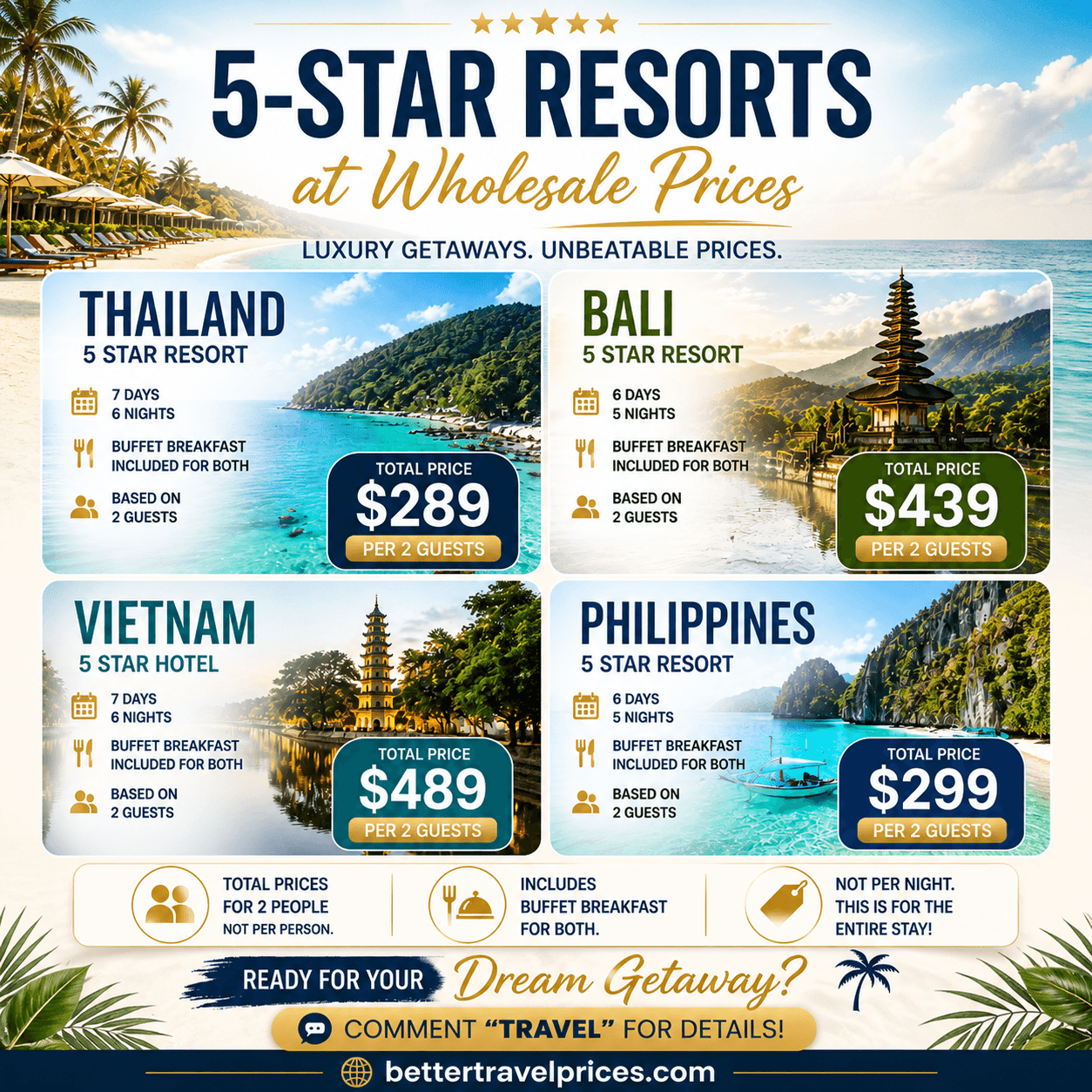
Instead of only checking regular public booking sites, BetterTravelPrices.com helps travelers learn about membership-based travel options that may provide access to better hotels, resorts, cruises, and vacation pricing.
That can be especially useful when you want to compare value, comfort, location, route quality, transfer planning, and total trip cost before booking.
Morocco can be a dream trip. It deserves more than a quick booking decision.
Should You Cancel a Morocco Trip Because of the Advisory?
Not automatically.
Morocco is currently listed as Level 2: Exercise Increased Caution by the U.S. State Department.
That does not mean every traveler must avoid Morocco.
But it does mean travelers should take the advisory seriously and plan with awareness.
You may want to rethink or adjust your Morocco trip if:
- You have not reviewed the official travel advisory.
- Your itinerary depends on poorly reviewed or unknown tour operators.
- Your riad is difficult to reach and you have no arrival plan.
- You are uncomfortable navigating crowded markets or medinas.
- You are booking long road transfers without a reputable driver.
- Your desert or mountain trip has unclear transportation or safety details.
- You do not have travel medical insurance.
- Your booking is fully nonrefundable and flexibility is limited.
The smarter move is to confirm official guidance, build realistic transportation plans, choose reputable lodging and operators, and book Morocco with enough flexibility for changes.
Morocco Travel Advisory: The Bottom Line
Morocco can be one of the most memorable trips in North Africa.
Marrakech, Fes, Casablanca, Rabat, Chefchaouen, Tangier, Essaouira, the Atlas Mountains, the Sahara desert, riads, medinas, markets, food, architecture, and culture all make Morocco a powerful travel destination.
But Morocco is not something to book by pretty photos alone.
Americans should check the Morocco travel advisory, passport and visa rules, CDC health guidance, rabies precautions, transportation options, medina logistics, local safety, travel insurance, and cancellation flexibility before booking.
BetterTravelPrices.com can help you explore a smarter way to look at travel before you commit to regular public prices.
Before You Book Morocco, Compare the Full Trip
Check the advisory, choose the right city or route, review medina access, compare transportation options, understand entry rules, and explore smarter travel options before settling for the first price you see.
FAQ: Morocco Travel Advisory
What is the current Morocco travel advisory?
The U.S. State Department currently lists Morocco as Level 2: Exercise Increased Caution due to terrorism. Americans should review official guidance, local safety information, entry rules, health guidance, transportation, and travel insurance before booking.
Is Morocco safe for American tourists?
Morocco is a popular destination for American tourists, but travelers should exercise increased caution, stay alert in public places and tourist areas, protect valuables, use reputable transportation, avoid demonstrations, and review official guidance before departure.
Is Marrakech safe for tourists?
Marrakech is popular with tourists, but visitors should stay alert in crowded markets, protect valuables, avoid unofficial guides, confirm taxi or transfer plans, choose hotel or riad locations carefully, and be aware of aggressive sales tactics in tourist areas.
Do Americans need a visa for Morocco?
The U.S. State Department Morocco country information page states that a tourist visa is not required for stays under 90 days. Travelers should still confirm current rules before booking, especially for longer stays or non-tourism travel.
What passport validity does Morocco require?
The U.S. State Department Morocco country information page says U.S. travelers need a passport valid for at least six months at the time of entry and one blank page for the entry stamp.
Should I check CDC guidance before visiting Morocco?
Yes. Travelers should check the CDC Morocco traveler page for health guidance, including routine vaccines, measles vaccination awareness, food and water precautions, rabies concerns, animal exposure precautions, and current Travel Health Notices.
Is a Sahara desert tour in Morocco safe?
Sahara desert tours can be memorable, but travelers should choose reputable operators, review driving times, vehicle quality, accommodation expectations, emergency access, weather conditions, and cancellation policies before booking.
Should I use BetterTravelPrices.com before booking Morocco?
Yes. BetterTravelPrices.com can help travelers explore smarter travel pricing options before booking. For Morocco, this can help you compare value, comfort, riad location, transfers, tour quality, route planning, and better booking possibilities before choosing your trip.